
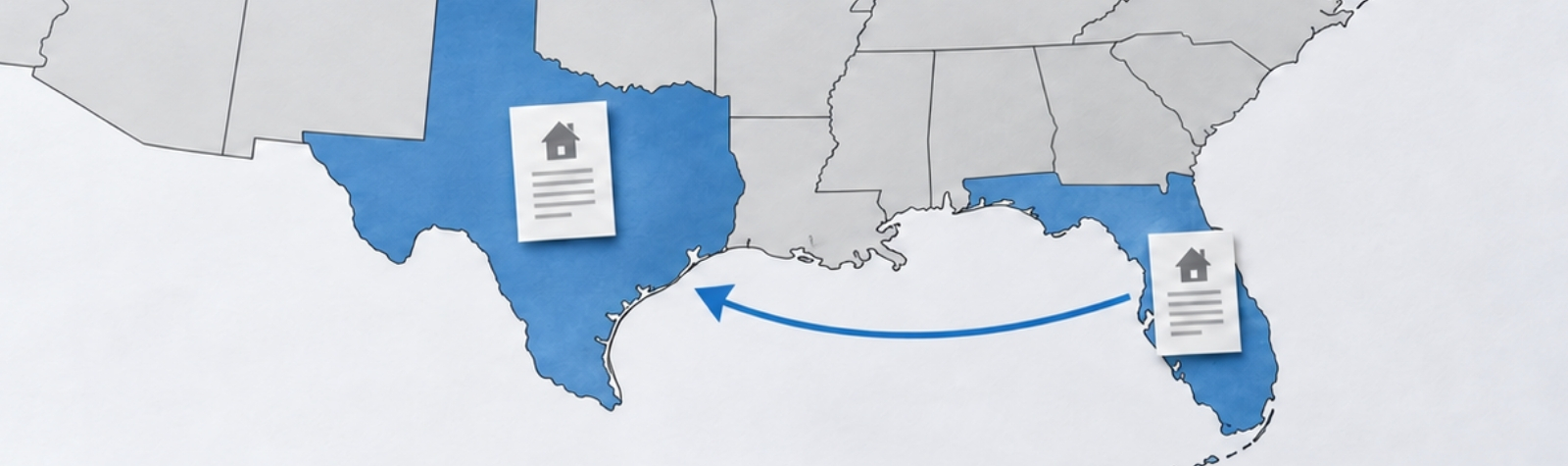
A carrier or MGA may have a homeowners program that works well in one state and plans to offer it in another. The rates, forms, billing choices, and policy flow are already in place. But those choices were made for the program as it runs today. Which ones still fit when the state changes?
When a team is planning a new state, I want to understand how it intends to operate there before we start changing settings. That business plan tells us where to look first in the existing product and what needs a new decision.
The short version
An existing product can be the starting point for a carrier or MGA entering a new state. The team decides what it wants to offer there, changes the settings that differ, and tests the rates, transactions, and policy output. If the product runs on West Point’s platform, Self-Service can copy it so the team can make those changes directly and launch faster.
What can you use as a starting point?
When I talk with a carrier or MGA about expansion, I start with asking what they want to offer in the new state. Then we compare that plan with the products they already write. A product does not have to be identical to be useful; if much of the new program matches an existing one, that work can become the starting point.
There is an option some teams may not know they have. If that existing product runs on West Point’s platform, Self-Service can make an exact copy for the new state. The team can then remove what does not apply and add the state-specific configurations it needs. Reusing what is already built, with the ability to make those changes directly, can shorten the path to launch.
Which decisions change from state to state?
Coverages and perils, fees, payment plans, renewal and cancellation notice timing, and policy forms may differ. The program’s business plan may call for different agent permissions, too. Those values come from the carrier and, where one is involved, the MGA. A copied product brings over its existing settings; selecting a new state does not automatically supply that state’s requirements.
In our planning meetings with clients, we work through what those choices mean in the system and how they will operate after launch. A renewal notice is a good example. We ask when it needs to go out, then account for the time needed to review the packet, print it, and get it in the mail. That operational lead time affects the notice setting.
What should the launch team settle together?
When we plan a new state with a carrier or MGA, we confirm the product and state, whether the program is admitted or excess and surplus, and what existing work can be reused. The carrier and any MGA partner bring the coverage, billing, notice, and form decisions they have made. We identify the stakeholders and assign ownership for each decision still open.
Together, we review the current policy output and what needs to change for the new state. We agree on a test plan, including how underwriting changes are tested and approved. By the end of the working session, the team should know what is settled, who owns the remaining questions, and what will be tested.
What should be tested before the first policy?
Check the rates, then run the new-state product through quoting, binding, endorsements, cancellations, renewals, and any other transactions agents need to complete. Validate the output each transaction produces, including what must be printed or mailed. If a document is reused from another state, inspect it in the new policy flow before launch.
Frequently asked questions
Does the platform automatically supply a state’s requirements?
No. The carrier and, where one is involved, the MGA identify the requirements and set the values for their program. West Point can explain its settings and advise on operational lead time, but the platform does not populate a state’s statutes.
Do you have to build a product from scratch for every new state?
No. An existing product can provide a starting point even when the new state needs different settings. For products on West Point’s platform, Self-Service can make a copy that the team adapts for the new state.
Planning to offer a product in another state? Talk with West Point about what you want to write there. We can help identify what can be reused, work through open configuration decisions, and plan the tests before launch.
